 0413 744 886
SMSF Residential Property Valuations: What Trustees Need to Know Each Year
For self-managed super funds (SMSFs) that hold residential property, obtaining the right valuation evidence each year is an important part of the annual compliance process. The value recorded in the SMSF financial statements must be relevant to 30 June and supported by objective, reliable information that can be provided to the fund’s auditor.
Annual Valuation Timing
Property valuations are required to be performed each year between 1 April and 30 November. This timing helps ensure the valuation evidence is relevant to the 30 June reporting date for the relevant financial year, as required under SIS Regulation 8.02B.
Although the valuation may be obtained before or after 30 June, trustees should make sure the valuation clearly supports the market value of the residential property as at 30 June. Keeping valuation evidence within this window also helps reduce delays during the SMSF audit process.
Online Auto Valuations
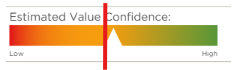
Online auto valuations are common appraisals used in the industry and can be a practical option for supporting the value of an SMSF residential property. However, the confidence level shown in the report must be medium or higher to be relied upon, see below, the indicator point needs to be to the right of the red line. If this is not the case, the online appraisal is not appropriate and an agent appraisal or independent valuation will be required.
What an Agent Appraisal Must Include
An appraisal from a real estate agent can be used as valuation evidence, provided it contains enough detail to support the value used by the SMSF. A brief letter stating a value is generally not enough. The appraisal should include the appraisal amount and clear supporting evidence showing how that amount was reached.
At a minimum, an agent appraisal should include:
- The appraised market value or valuation amount.
- At least three comparable sales that are relevant to the property’s location, type, size and condition.
- Comparable sales being recent, that is within 12 months of the valuation date, being 30 June.
- A clear basis for how the agent arrived at the appraisal amount.
Why Comparable Sales Matter
Comparable sales are important because they provide objective evidence that the appraisal amount reflects the market. For SMSF audit purposes, the comparables should be sufficiently recent and relevant. Where possible, the sales should involve similar residential properties in the same suburb or a closely comparable area.
If the comparable sales are too old, too different from the SMSF property, or not clearly connected to the appraisal amount, the auditor may not be able to rely on the appraisal as sufficient evidence.
What If the Agent Cannot Provide the Required Evidence?
If an agent cannot provide an appraisal amount supported by three comparable sales within 12 months of 30 June, trustees will need to consider an alternative valuation option. This helps ensure the SMSF has appropriate evidence on file before the audit is completed.
Alternative options include:
- TrueMarket — https://truemarket.com.au/
- SMSF Property Valuations — https://smsfpropertyvaluations.com.au/
- Property Pricer — https://propertypricer.com.au/
- Appraisal Mate — https://appraisalmate.com/
- A qualified independent valuer.
Trustee Responsibilities
The trustees are responsible for ensuring the SMSF’s residential property is reported at market value and that the value is supported by appropriate evidence. The auditor’s role is not to value the property, but to review the evidence provided and determine whether it is sufficient for audit purposes.
For this reason, trustees should obtain valuation evidence early, check that it contains the required details, and keep a copy with the fund’s annual records. Where there is uncertainty, trustees should speak with their SMSF accountant, auditor or adviser before finalising the fund’s accounts.
Final Thoughts
Annual residential property valuations are a key part of SMSF compliance. By arranging valuations between 1 May and 31 October, ensuring agent appraisals include the appraisal amount and three recent comparable sales, and using an alternative valuation provider where required, trustees can help make the audit process smoother and ensure the fund’s reporting is properly supported.